
Hot Water Gone? We'll Have It Back Today.
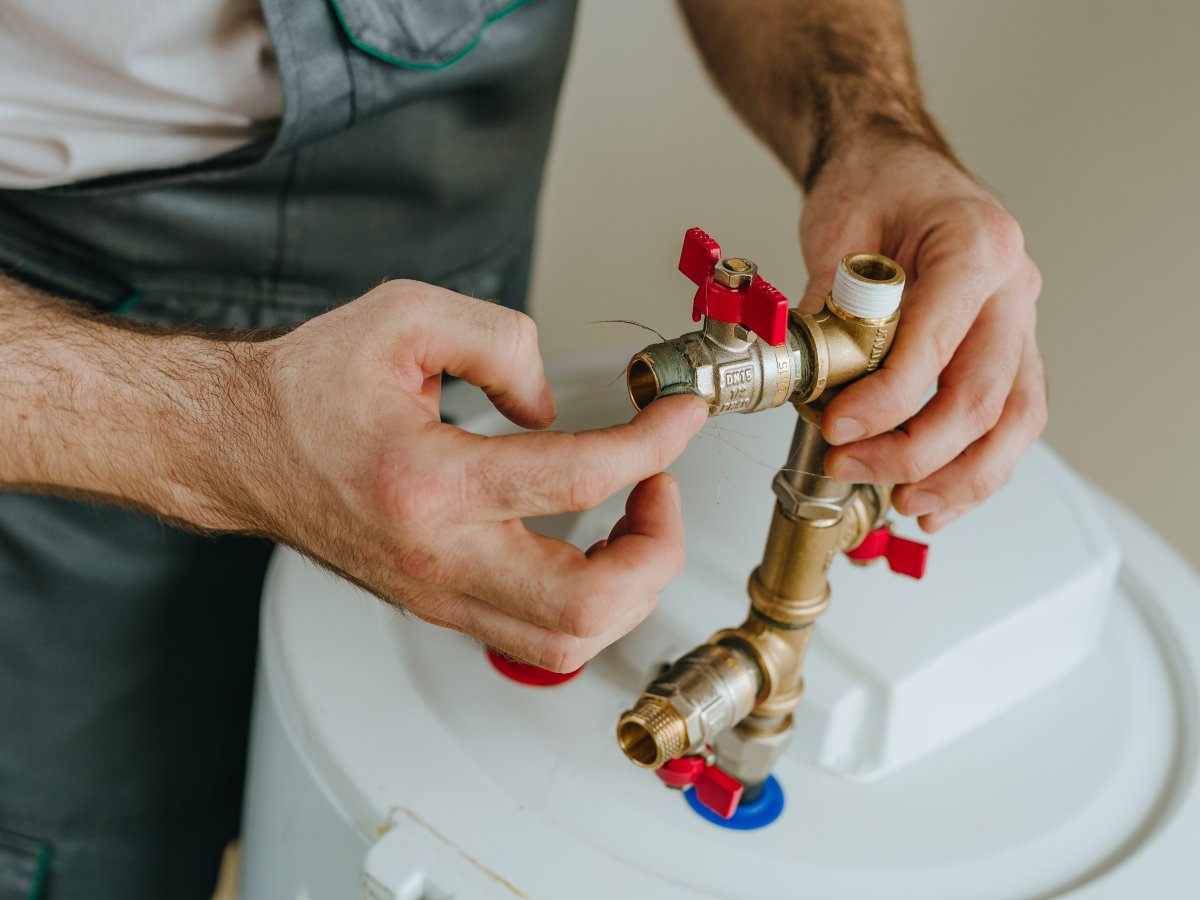
Tank vs. Tankless — We Install & Service Both

Signs You Need A New Water Heater (Scannable List)
- Your unit is 10+ years old
- You're getting rust-colored or metallic-tasting water
- Hot water runs out faster than it used to
- You hear rumbling, popping, or banging from the tank
- There's visible corrosion, pooling water, or a leak around the base
- Your energy bills have crept up without a clear reason
WHY CHOOSE US
Get a Same-Day Quote — Call Now
Or click the button below to request a quote online. We respond fast.
Five-Star Google Rating

 Posted on Google
 Morgan King
Trustindex verifies that the original source of the review is Google.
We've used Tulsa Plumbing and Remodeling several times, and they're always the BEST! Anthony and Omar are the dynamic duo every time we've had a plumbing issue! This company does quality work with quality employees, and they're competitively priced too! Credit to Kelsey and Danny Dunlop too, wonderful people! Highly recommend!Posted on Google TCTulsa Plumbing has done several jobs for us. They communicate extremely well and always complete the job according to the estimate they provide. They are always courteous and leave the job site spotless when finished. Excellent office staff and employees. Highly recommend Tulsa Plumbing.Posted on Google
 Elbert AndersonExcellent service. Highly recommend them.Posted on Google
 chase bryan918Landon and keane were great. They did everything they said they were going to do. Showed up on time. Got everything back to working order in no time and cleaned up after themselves. I have and will recommend them to everyone.Posted on Google
 Wanda RobinsonLandon and Keane did a great job installing a new toilet and hooking up the plumbing for the vanity in my bathroom. They kept in contact with me through the whole process. Great company. Thanks!Posted on Google
 Ricki JacksonOmar and Anthony were great! On time, on budget, did quality work. Would definitely recommend.Posted on Google
 Linda LemleyThank you for an excellent job from Keanan and Landon. They explained what they were going to do, and finished the job in know time, They know their business. Thank you again.Posted on Google
 Lydia DuncanLandon and Cian were incredibly fast and professional. They came and did an emergency repair within the hour we called. They’re our first call for plumbing from here on out!Posted on Google
 Ron DesmondGreat guys. Did a great job,and clean up after themselves. Always welcome back.
Frequently Asked Questions
When a kitchen faucet is leaking at the base, it is generally caused by worn out O-rings or debris around the O-rings. If the seal isn’t watertight, it can lead to a continuous leak, even when the faucet is turned off.
There are a number of things that can cause leaky pipes, but the top five are broken seals, clogged lines, corrosion, damaged pipe joints, and incorrect pipe laying.
Plumbers can fix a large array of issues, including showers and bathtubs, sinks and drains, and more.
Most likely, if your garbage disposal is humming and not operating, it’s because the blades are jammed. Reset the disposal by inserting a hex head allen wrench in the breaker socket at the bottom section of the disposal.
Many older homes were built with galvanized steel pipes, which can easily last 60-70 years. However, if you’re experiencing leaky pipes, flakes in your water, or other issues, it may be time to repipe with modern piping.
Most modern homes are built with copper piping, but PVC is also used to save money.
The average residential gray water system saves over 2,600 gallons of water per year with a lifespan of well over ten years.
Separating gray water from black water requires dual piping, and you must ensure that inappropriate substances don’t go down the wrong drain. There are potential health risks if the gray water is accidentally ingested.
Yes! Depending on local ordinances, you may be able to use gray water to flush toilets so long as you utilize proper filtration and disinfection. However, it may be simpler and safer to capture rainwater for this purpose, so as to avoid increased corrosion of internal toilet tank parts.
Most definitely! Not only will repiping rid you of those pesky leaks and other issues you’ve been dealing with, but it’ll raise your property value when it comes time to sell.
Repiping an entire house can be expensive, ranging from $5,000 to $7,000 on average, with high-end estimates at $15,000 for large, difficult homes.
Personal preference! Both terms refer to the same thing, but plumbers tend to use the term hose bib.
Residential water heaters can last anywhere from six to 13 years on average, but after the decade mark you should certainly be planning and budgeting for its replacement.
Conventional water heaters are the most common, but tankless water heaters are growing in popularity.
Residential main lines can last anywhere from 20 to 100 years, depending on what it’s made of. However, if you’re dealing with decreased water pressure, higher water bills, inexplicable pools of water in your yard, or contaminated water, it’s time to call a plumber.
ONLINE